
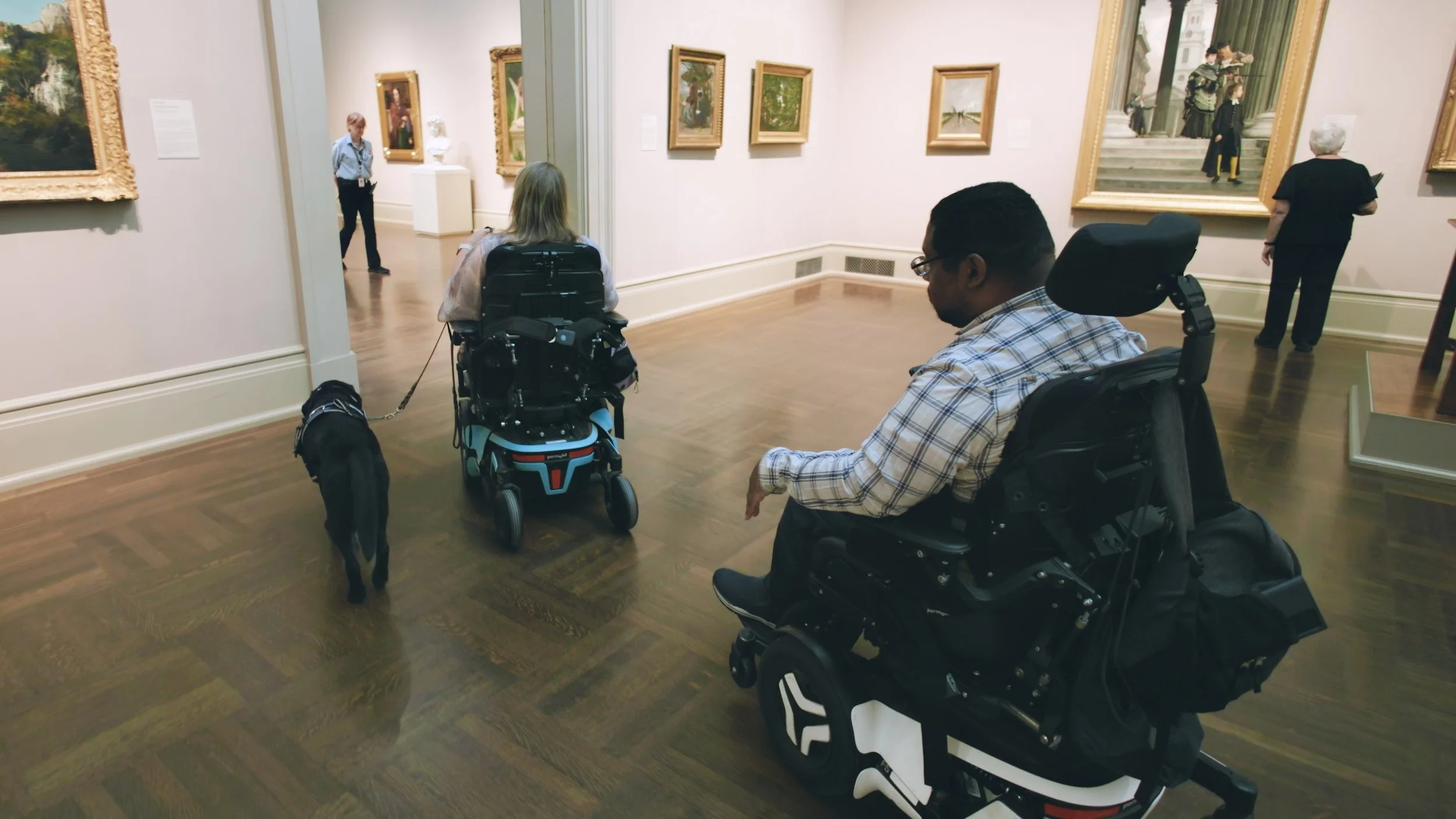
toledo museum of art: access for all
In this documentary feature, Nick Corbin Productions partners with the Toledo Museum of Art to showcase their "Access for All" initiative. We explore how one of the nation’s premier art institutions is redefining "Radical Hospitality" through innovative sensory resources and barrier-free design.
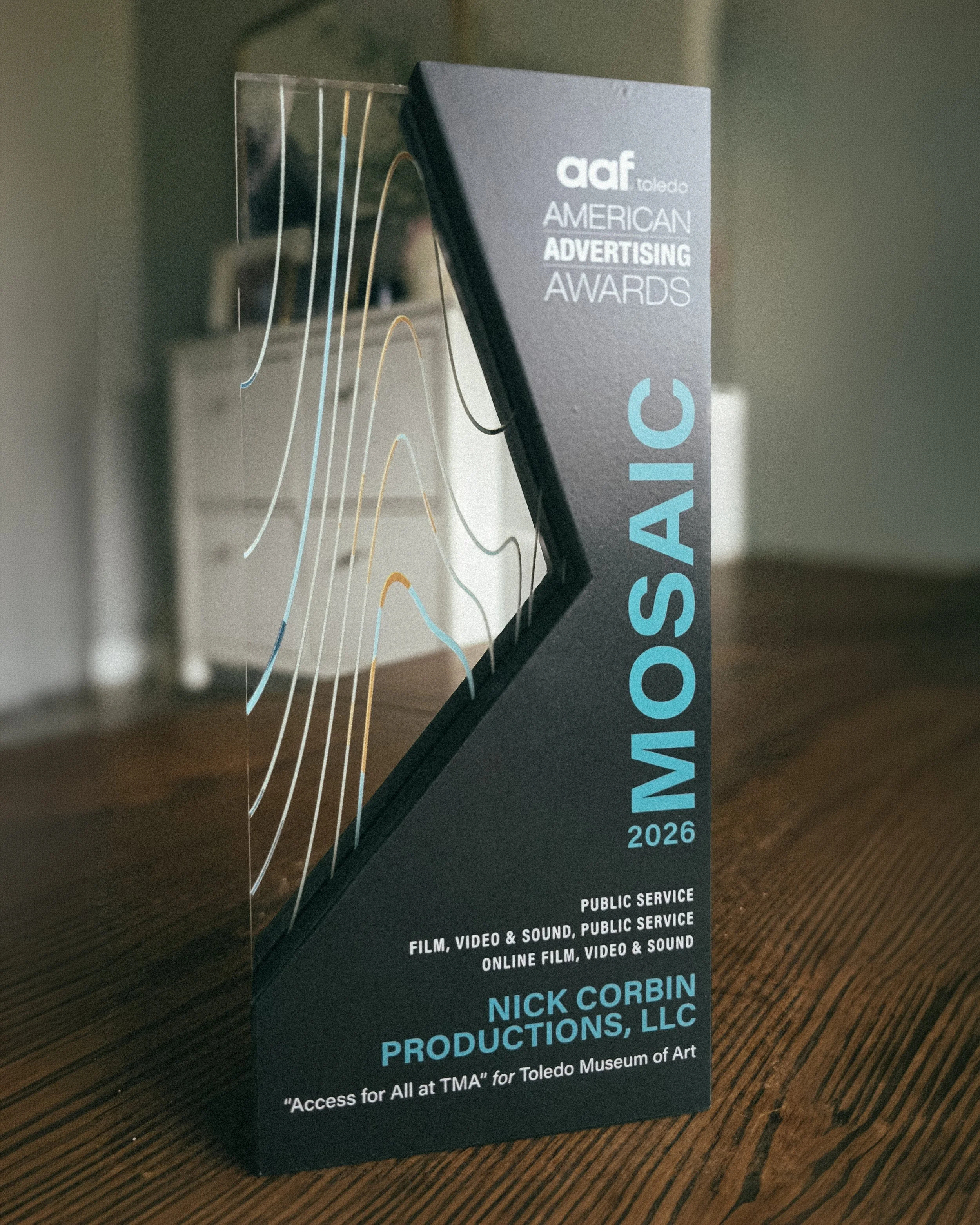
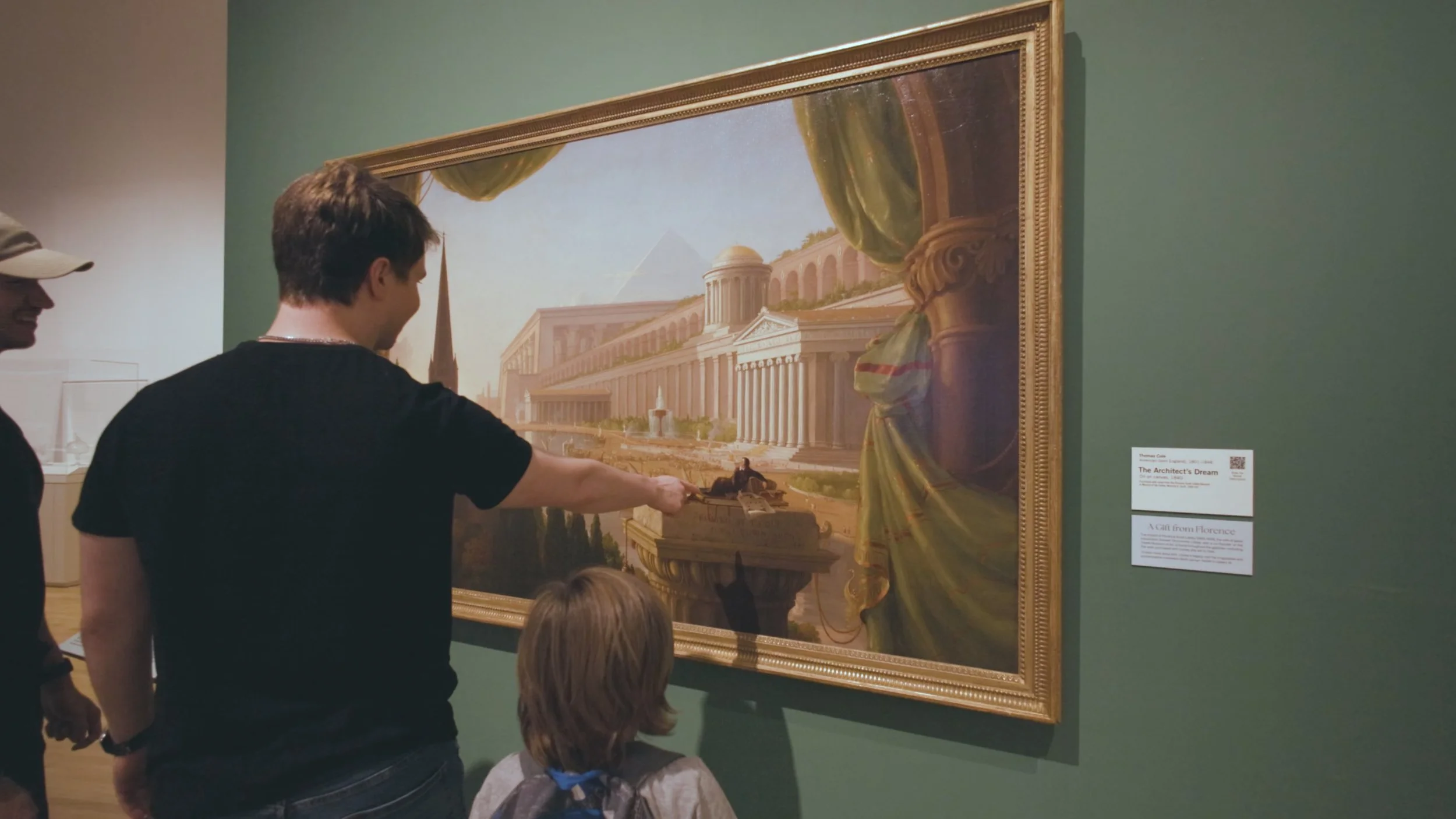
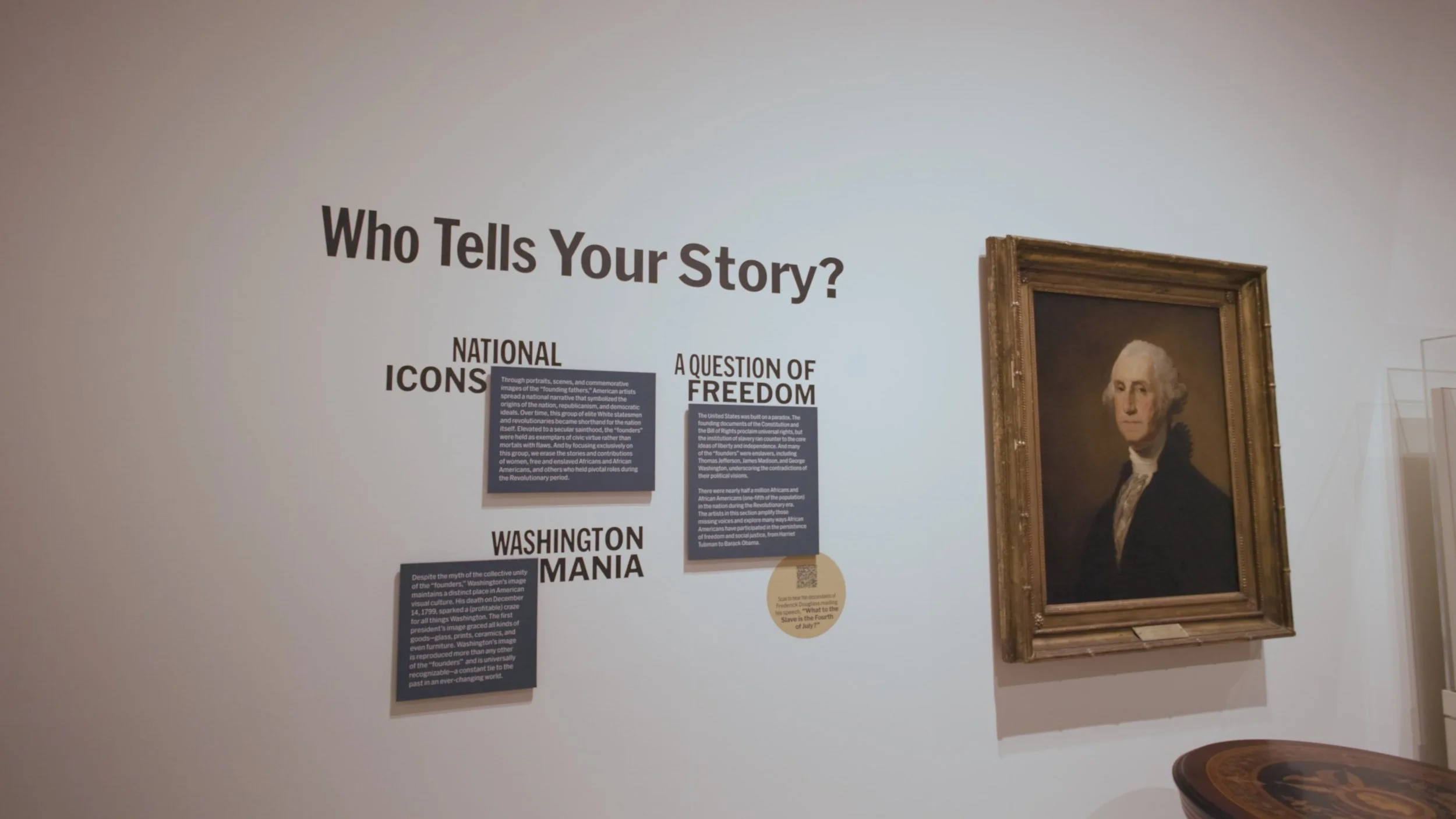
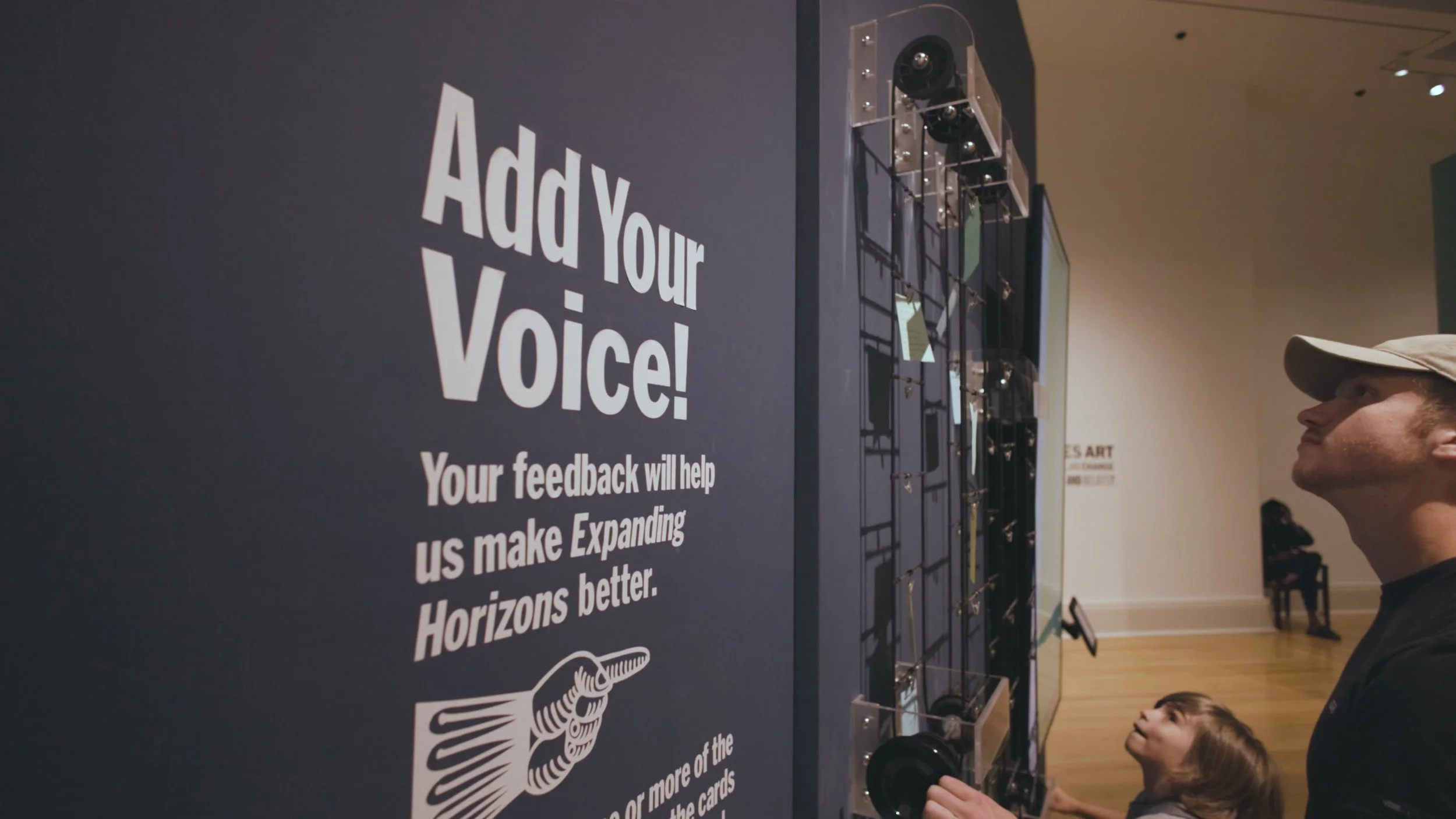
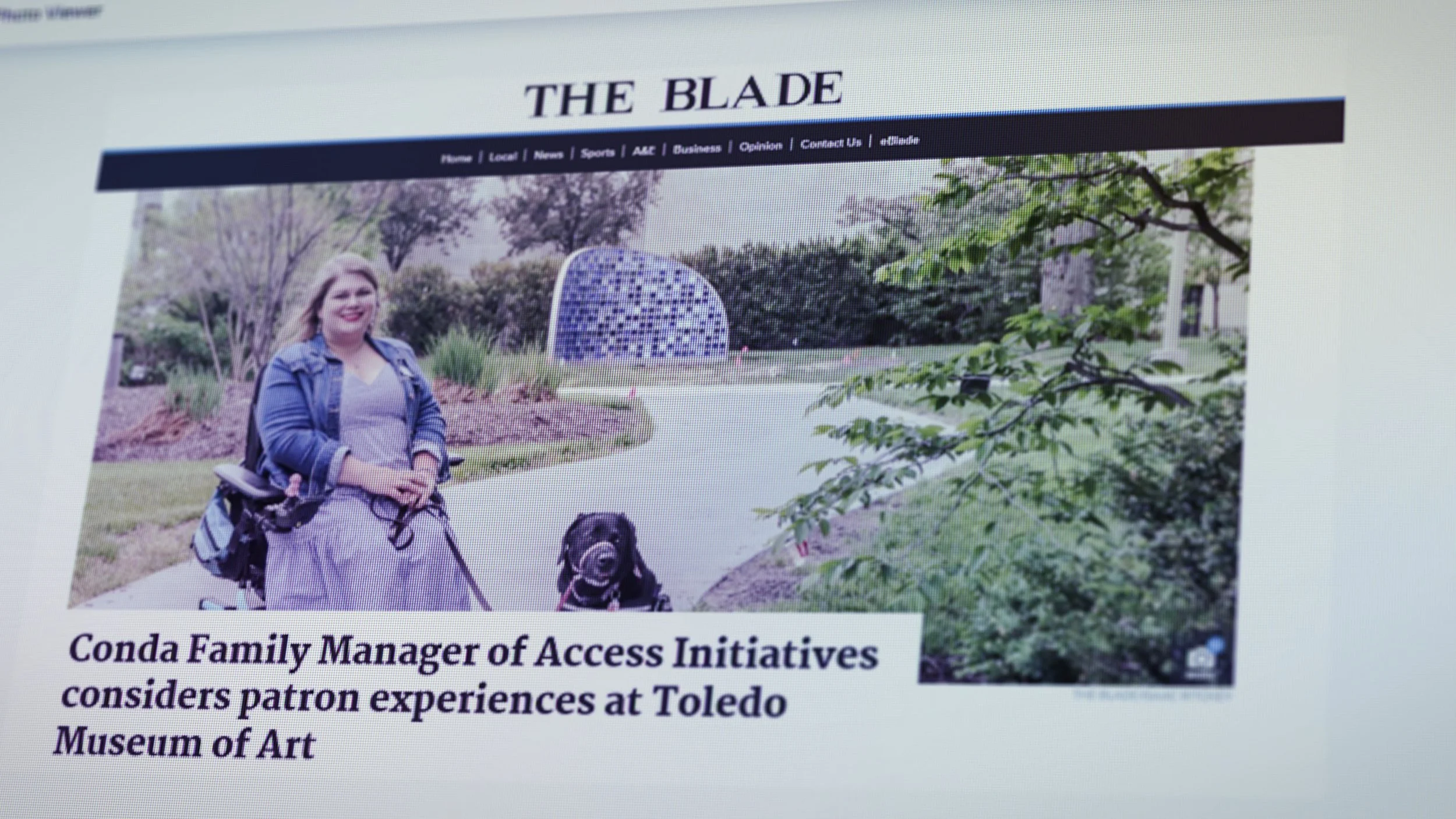
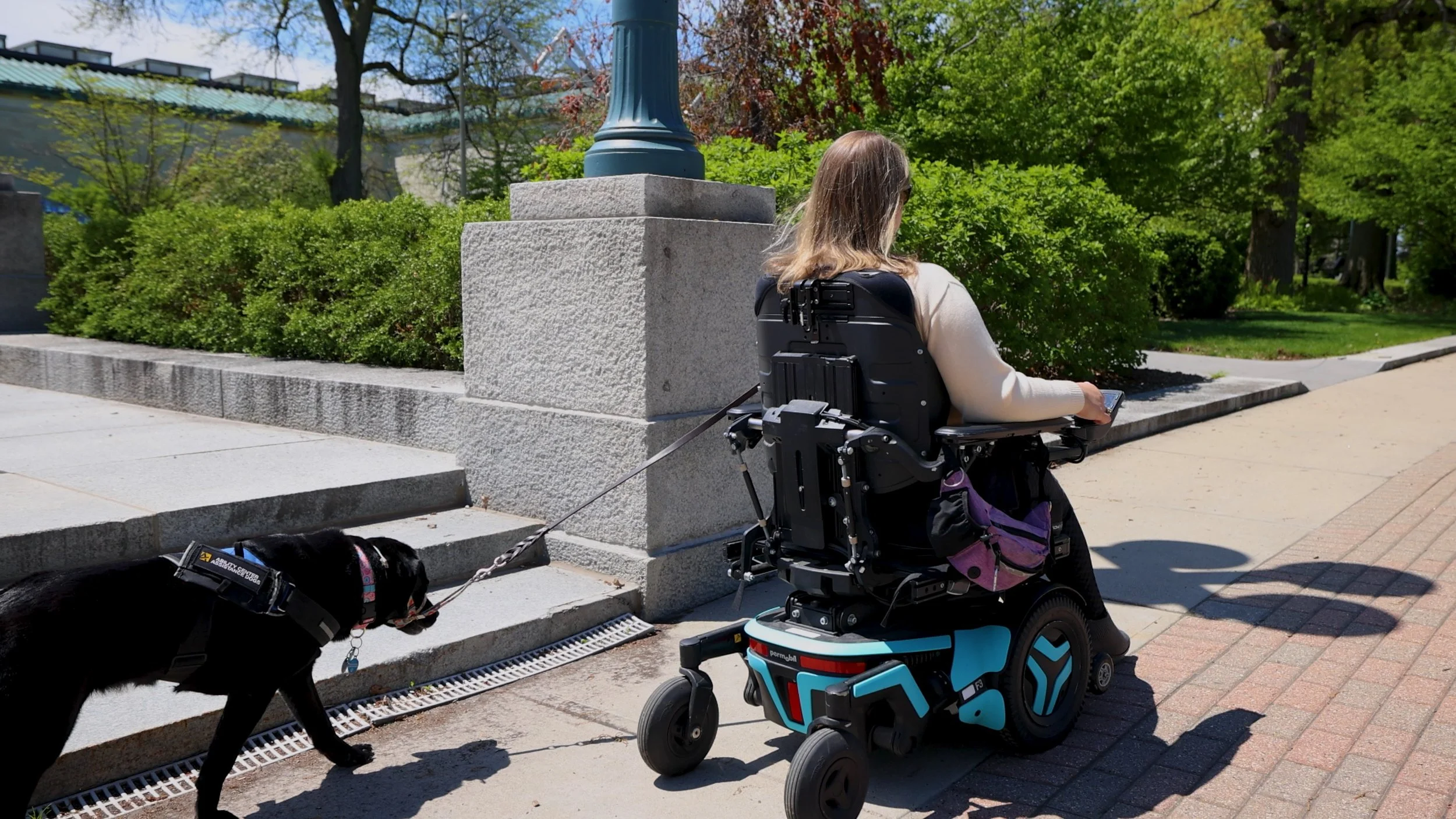
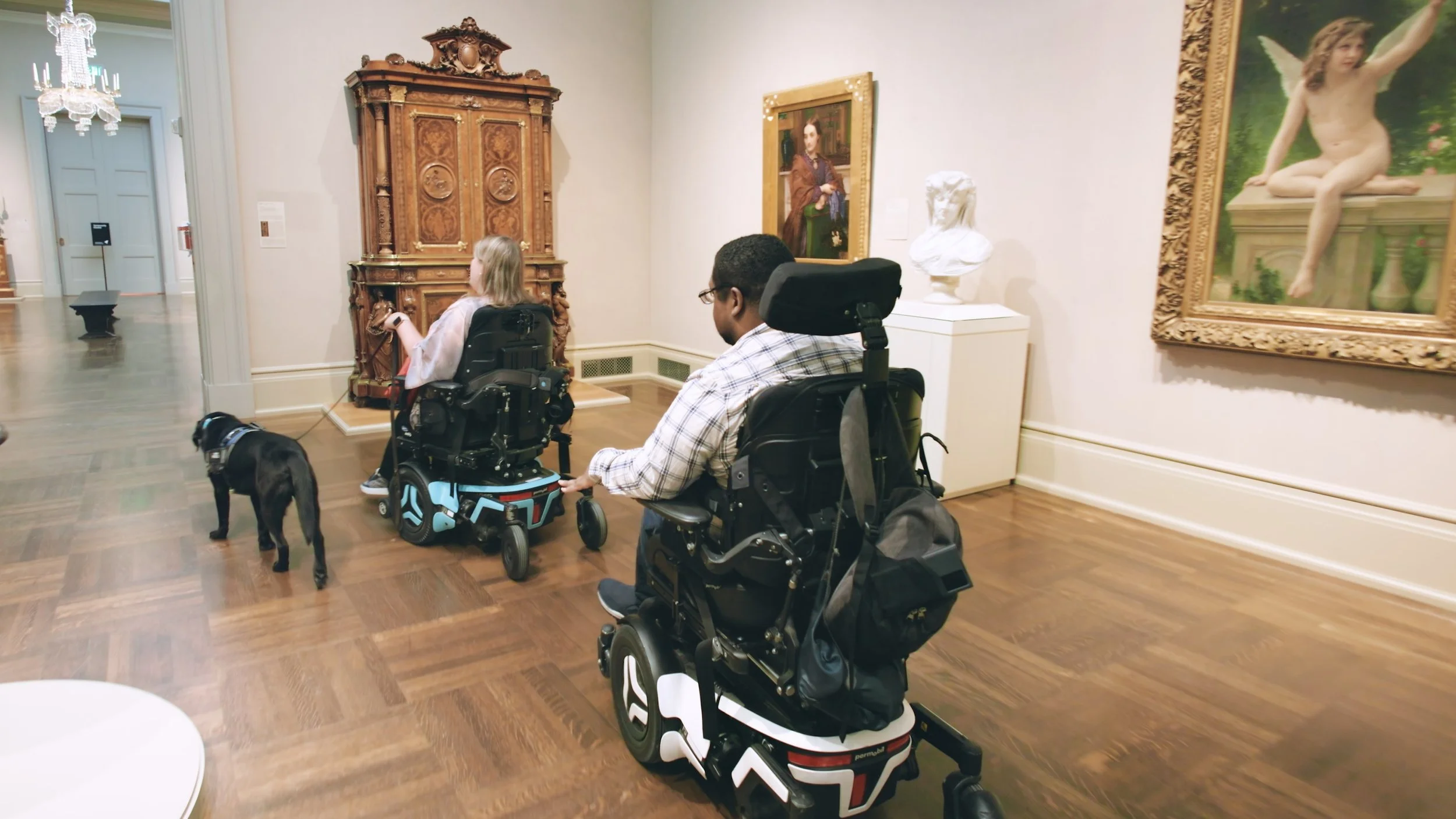
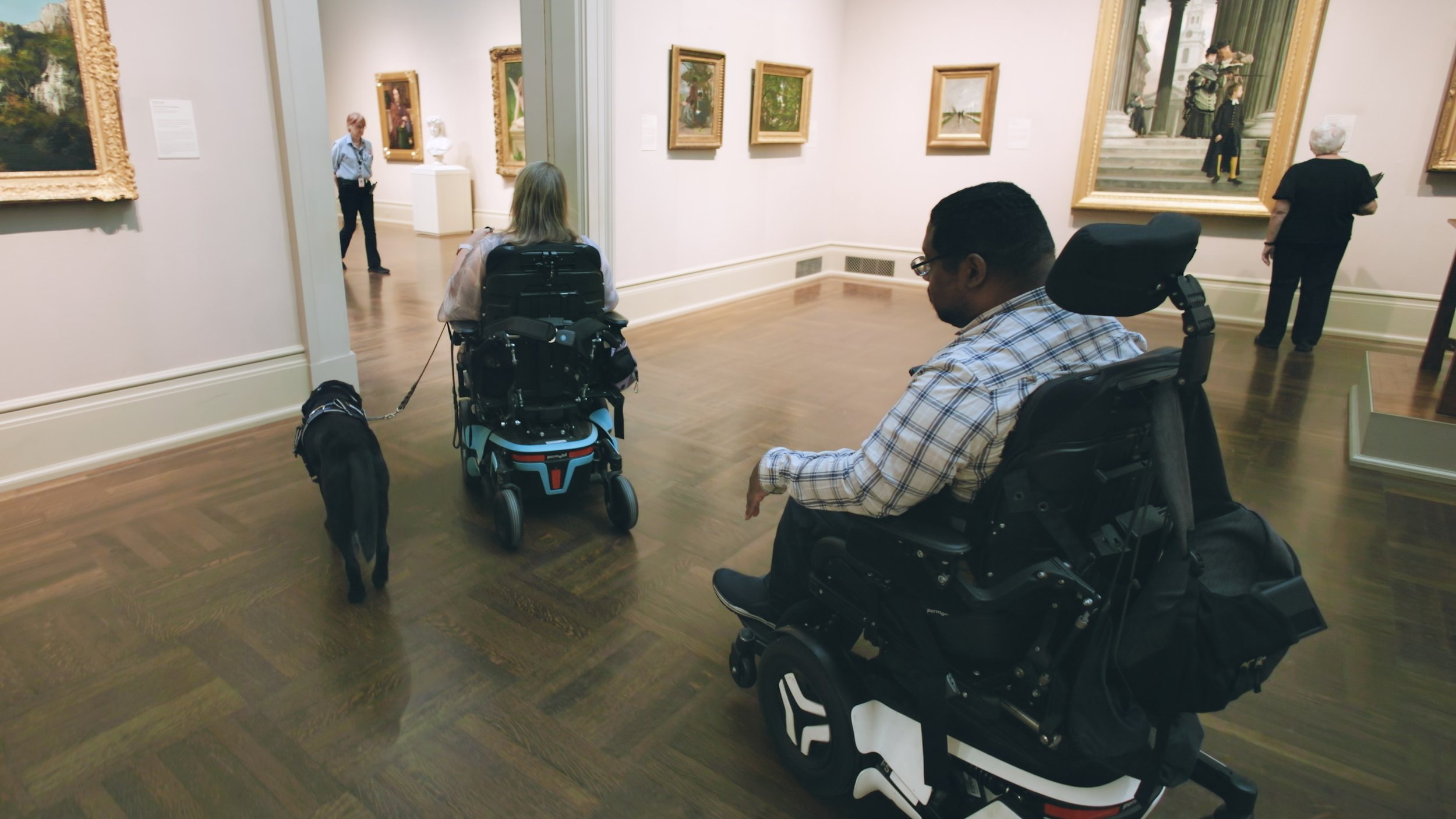
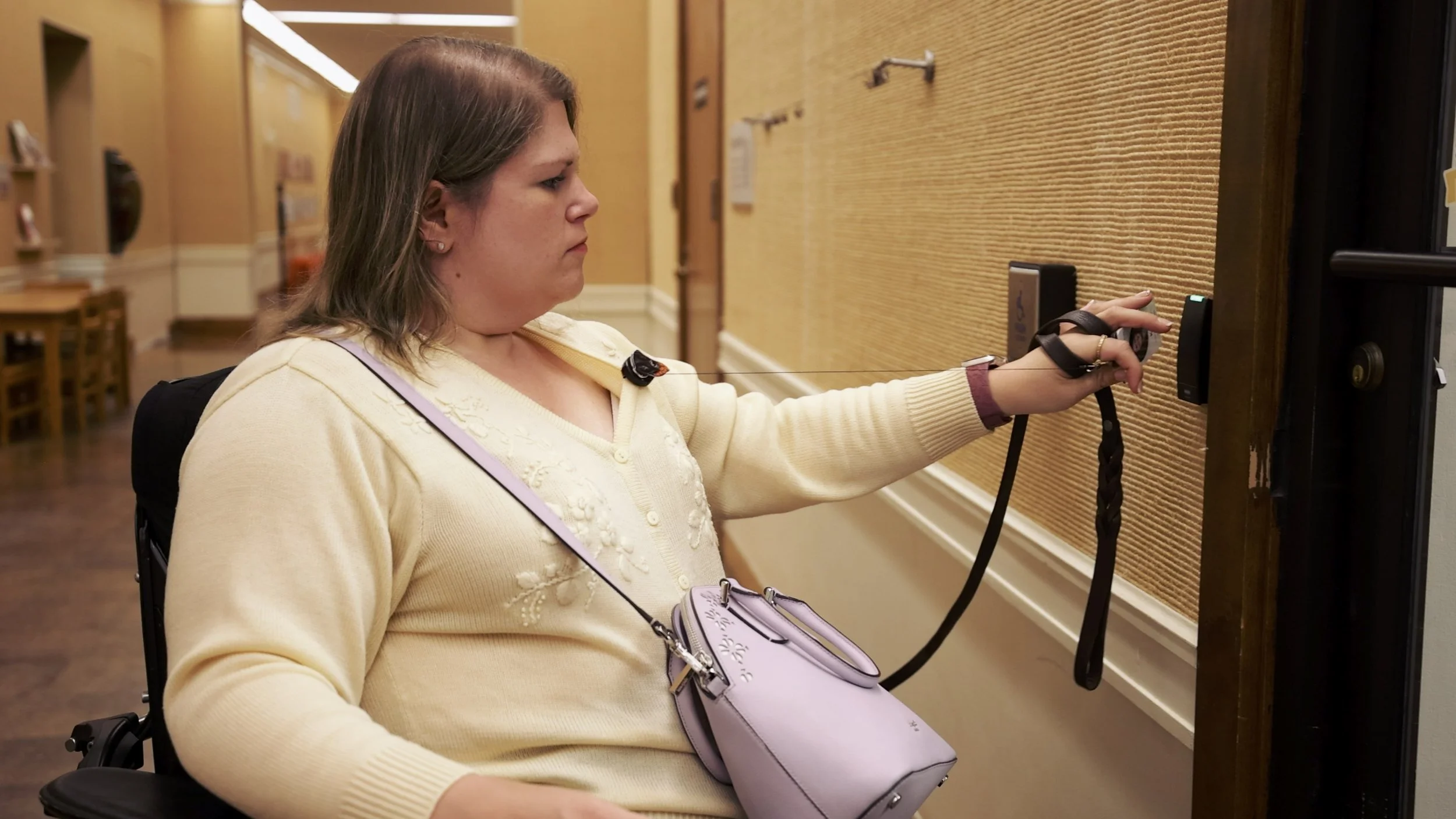
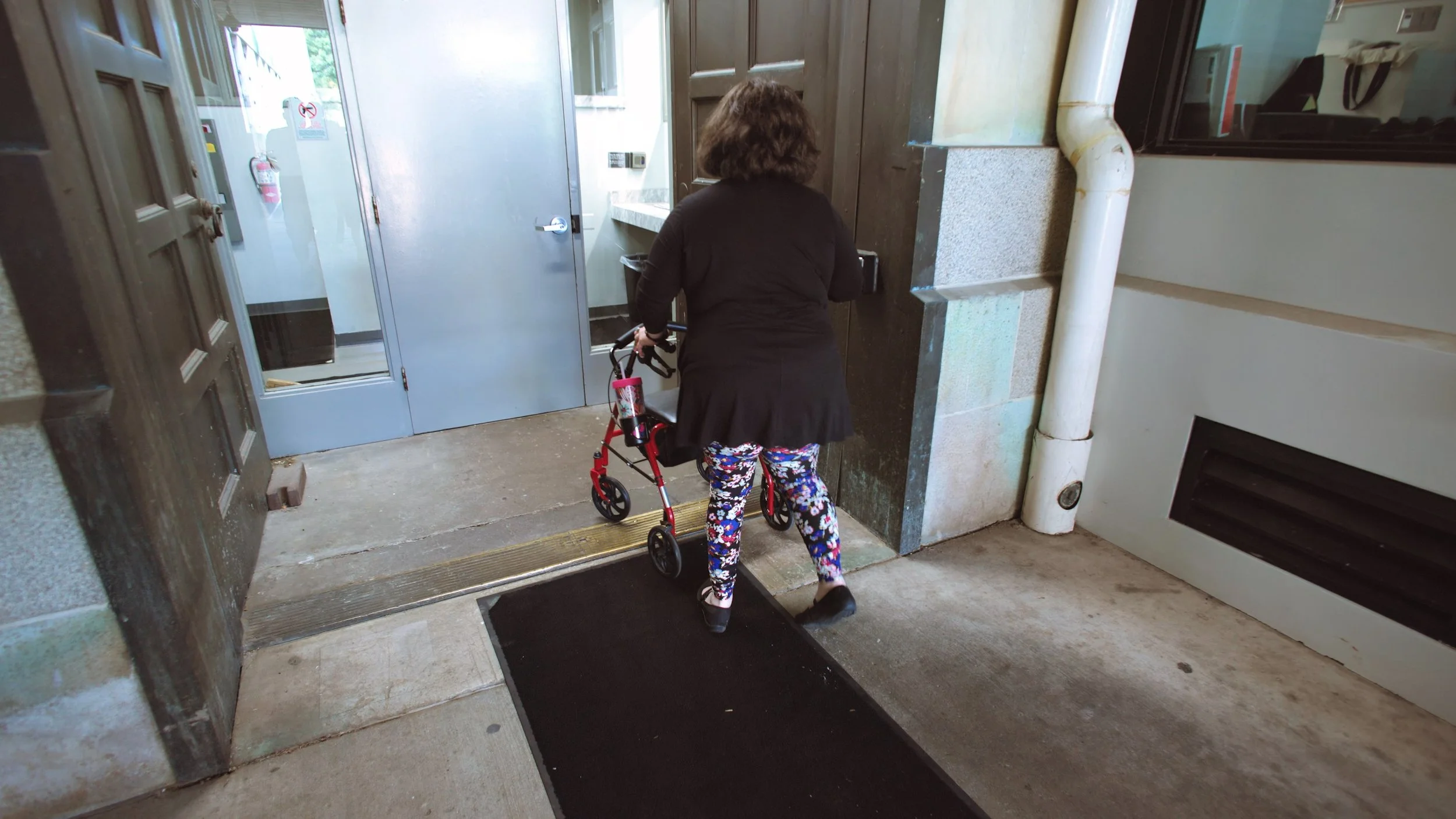
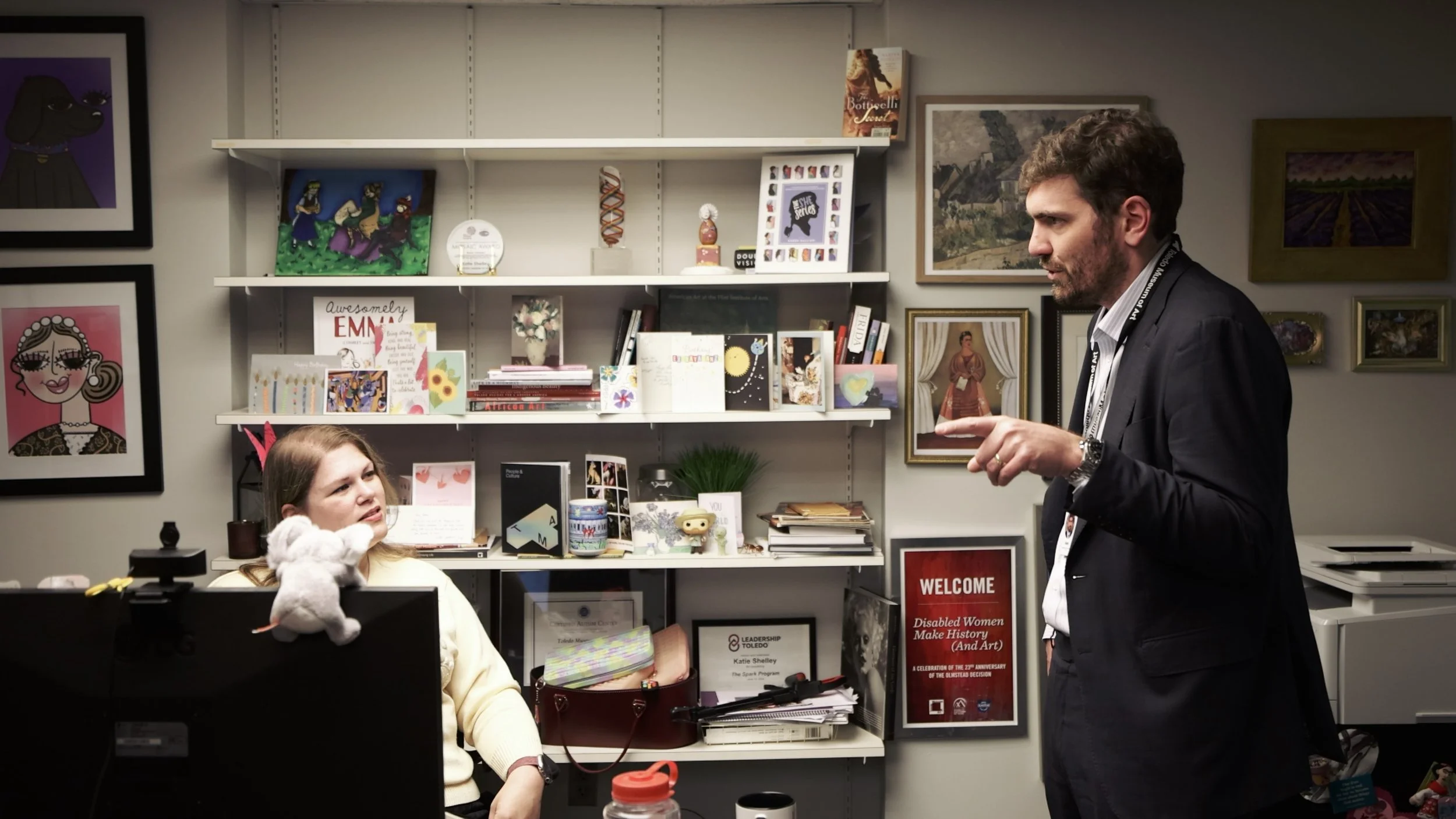
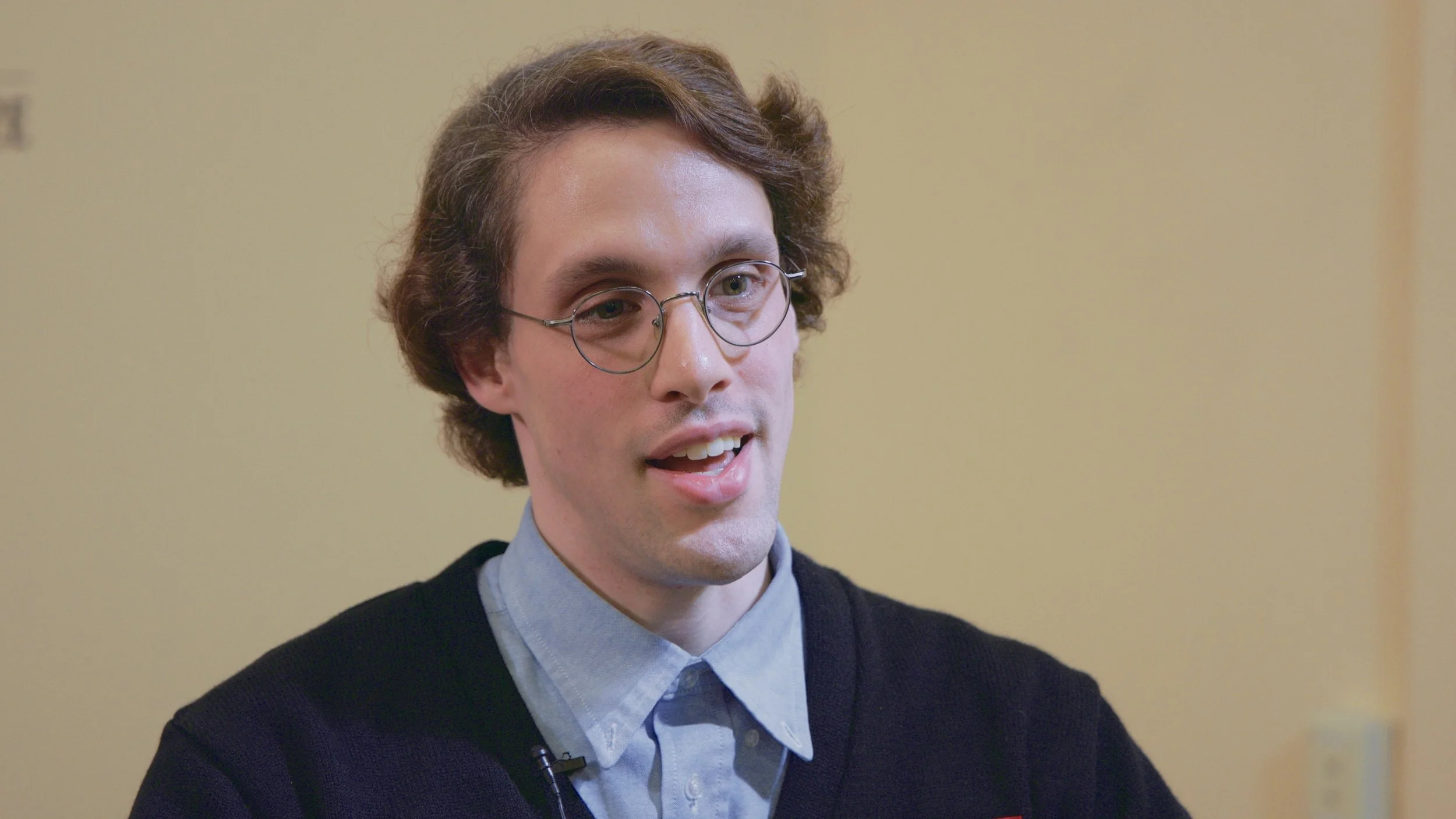
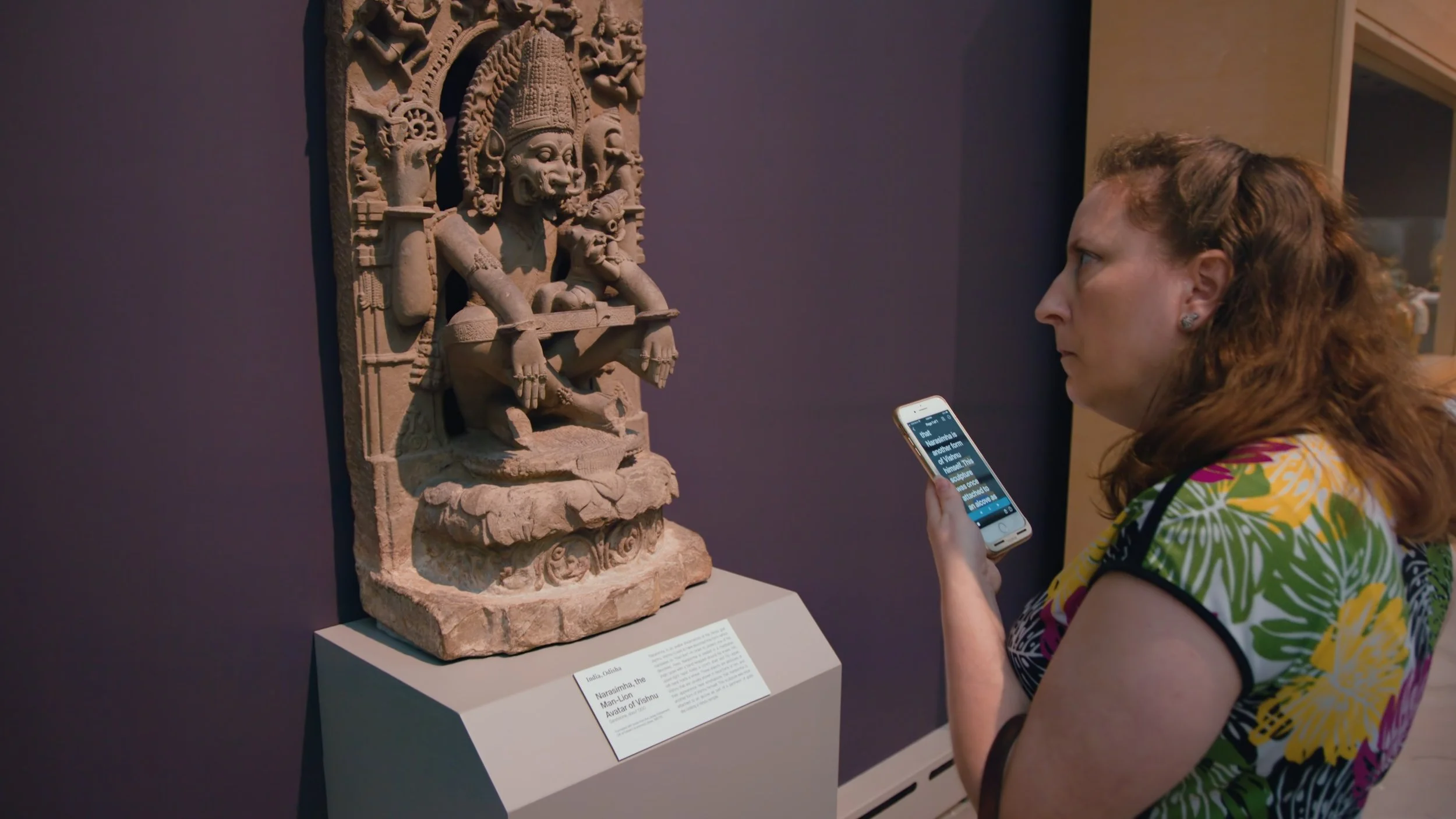
The Mission: Defining Radical Hospitality When we were commissioned to document the Toledo Museum of Art’s accessibility initiatives, our goal went beyond a simple facility tour. We aimed to capture the philosophy of "Radical Hospitality"—the museum's definitive stance that art belongs to everyone, regardless of their physical or sensory needs.
Our Production Strategy We recognized that a video about accessibility must be a model of accessibility itself. We chose a clean, bright visual style that mirrored the museum’s open, barrier-free environment. We focused our lenses on the tools and people that make inclusion possible, ensuring that the technology (like motorized scooters) and the human element (specialized staff) were given equal weight.
Our Technical Execution
Sensory-Centric Filming: We dedicated significant screen time to the "Sensory-Friendly Kits." By filming the tactile nature of the fidgets and the physical weight of the noise-canceling headphones, we allowed the audience to feel the comfort these tools provide before they even step foot in the gallery.
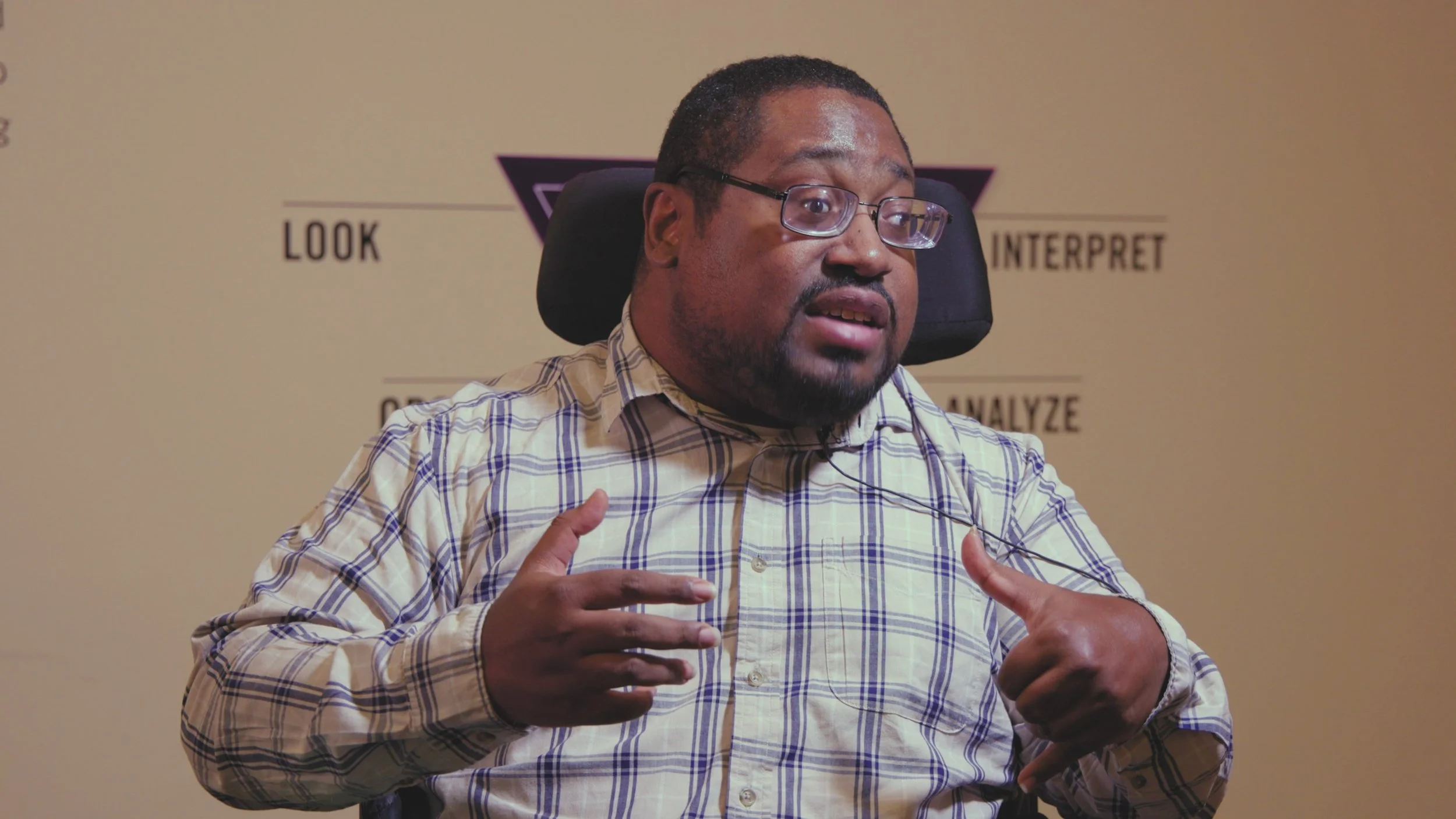
The Human Narrative: We avoided using an anonymous narrator. Instead, we let the visitors and the Museum’s Accessibility Committee tell the story. By capturing authentic testimonials from families and individuals with disabilities, we grounded the museum’s policies in real-world impact.
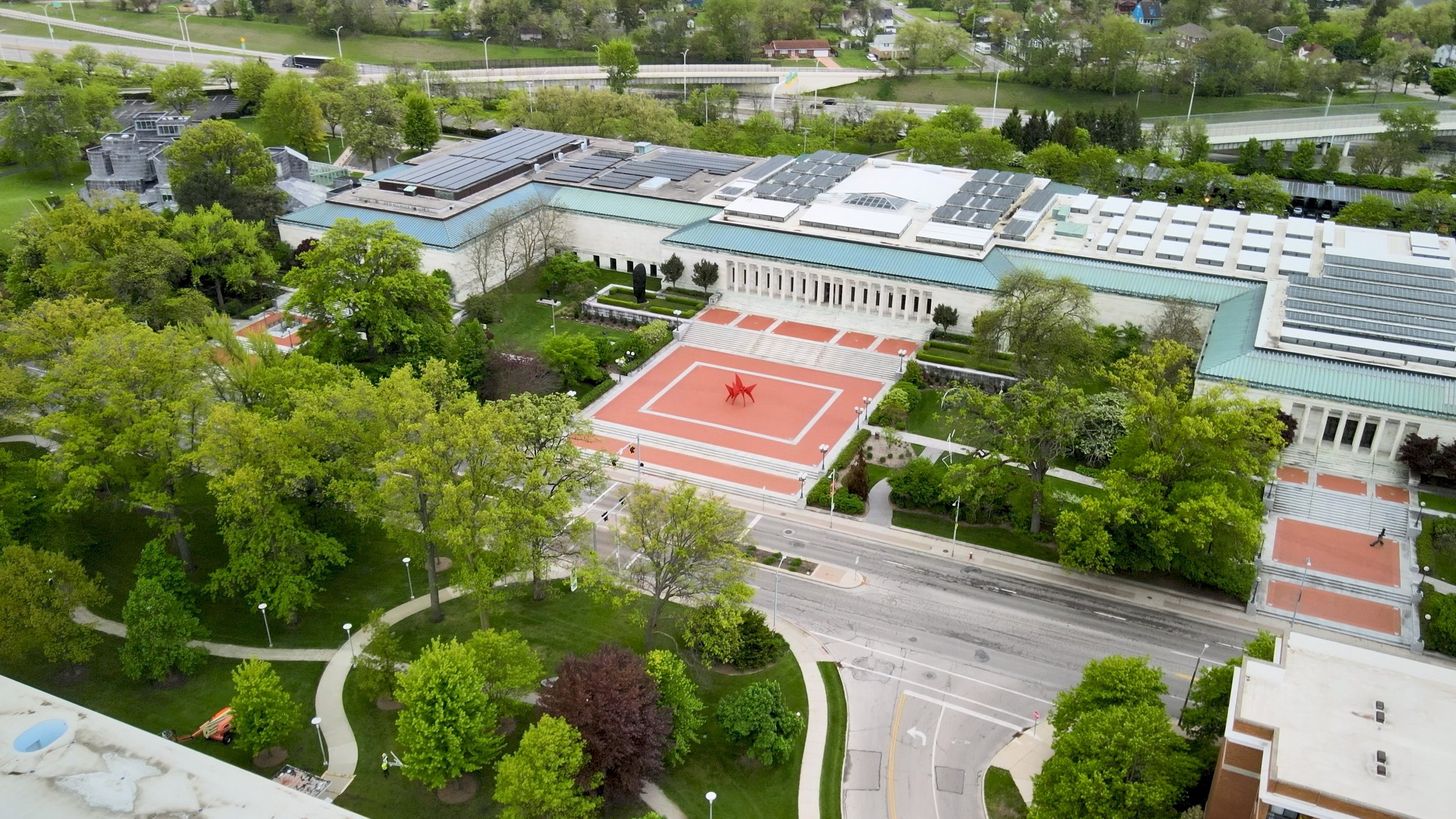
Navigational Visuals: We used sweeping, stable shots to demonstrate the ease of movement throughout the 40-gallery campus. We intentionally highlighted the proximity of accessible parking to the barrier-free entrances to show that the "welcome" begins at the curb.
The "We" Factor: Our Process
We showed, we didn't just tell: Rather than listing features, we filmed the induction loops in the Peristyle and the elevators in action. We wanted the viewer to see the independence these features afford.
We leaned into the "Radical": We framed the museum not just as a building, but as a 22-acre landscape of inclusion. We captured the park-like setting to emphasize that TMA’s commitment to access extends beyond the gallery walls.
We utilized supplemental expertise: By aligning our visuals with the museum’s official accessibility standards—such as the availability of manual wheelchairs and motorized scooters—we ensured our film served as a definitive guide for prospective visitors.